Understanding Dental Implants
Dental implants are a popular solution for missing teeth, providing a durable and natural-looking replacement. They consist of a titanium post that serves as a root for the new tooth, which is anchored in the jawbone. While dental implants are designed to last for many years, proper oral care is essential to ensure their longevity and your overall dental health.
Why Brushing is Essential After Implant Placement
Just like natural teeth, dental implants require regular brushing to prevent plaque buildup and maintain oral hygiene. Inadequate oral care can lead to complications such as peri-implantitis, an inflammatory condition affecting the tissues around the implant, which can jeopardize its stability and success.
When to Resume Brushing After Implant Surgery
After the placement of your dental implant, your dentist will provide specific guidelines for oral care. Typically, gentle brushing can resume about 24 to 48 hours post-surgery. Here’s a general timeline:
- 24 Hours Post-Op: Avoid brushing the surgical site directly.
- 48 Hours Post-Op: You can start brushing your teeth, but with caution around the implant area.
- 1 Week Post-Op: Follow your dentist’s instructions for a more comprehensive brushing routine.
Effective Brushing Techniques for Implant Care
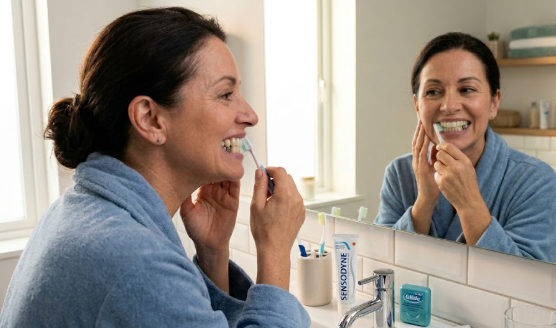
When you’re ready to brush your teeth post-implant placement, follow these techniques to ensure you take proper care of your new dental implant:
1. Use a Soft-Bristled Toothbrush
A soft-bristled toothbrush is gentle on your gums and effective in cleaning around the implant site. This type of toothbrush helps prevent any damage to the healing tissues and ensures thorough cleaning.
2. Choose Non-Abrasive Toothpaste
Opt for non-abrasive toothpaste that doesn’t contain harsh ingredients. This helps protect both your implants and the surrounding gum tissues while effectively combating plaque.
3. Angle Your Toothbrush Correctly
Hold your toothbrush at a 45-degree angle to your gums to clean along the gum line. This angle helps reach the edges effectively, where bacteria often accumulate.
4. Be Gentle
Use gentle, circular motions rather than aggressive scrubbing. Being too forceful can irritate your gums and disturb any healing that’s taking place.
5. Clean Around the Implant
Pay extra attention to the area around the implant. Ensure you gently brush the area to remove any plaque without forcing the bristles against the surgical site.
Complementary Oral Care Practices
Along with brushing, consider the following oral care practices to complement your dental implant hygiene:
- Floss Daily: Use a soft floss or an interdental brush around the implant to prevent plaque buildup between your teeth and the implant.
- Rinse with Antiseptic Mouthwash: A non-alcoholic mouthwash can help reduce bacteria in your mouth and promote healing.
- Visit Your Dentist Regularly: Schedule regular check-ups and professional cleanings with your dentist to monitor the health of your implant and overall oral health.
Common Concerns After Implant Placement
It’s normal to have concerns after receiving dental implants. Some common questions include:
Can I experience pain around the implant?
Some level of discomfort is expected after the surgery, but persistent pain could indicate a problem. Always follow up with your dentist if you have any ongoing pain.
What should I do if I see blood when brushing?
Toothbrush pressure may irritate the gums, causing slight bleeding. However, if bleeding continues, consult your dentist to ensure there is no infection or other issue.
How long will my implants last?
With proper care, dental implants can last many years—even a lifetime. Regular dental check-ups and good oral hygiene practices play a vital role in their longevity.
Final Thoughts
Taking care of your dental implants is crucial for their success and your overall oral health. By following the right brushing techniques and maintaining a good oral hygiene routine, you can enjoy the benefits of your implants for years to come. If you have specific concerns or questions about your dental implants, don't hesitate to reach out to a dental professional. Additionally, consider utilizing our AI dental screening platform for an initial assessment of your oral health.