
Effective Tooth Brushing Techniques for Children
Teaching children how to brush their teeth properly is crucial for establishing good oral hygiene habits. Generally, children should brush their teeth twice a day for two minutes each time, using a pea-sized amount of fluoride toothpaste. Encouragement and supervision can make this daily routine enjoyable and ensure effectiveness.
Step-by-Step Guide to Brushing Teeth
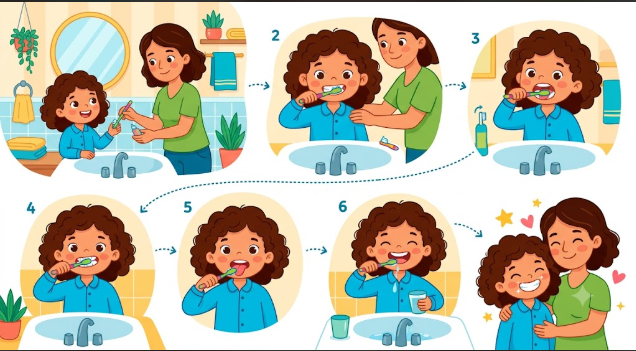
Here’s a practical approach to help your child learn the proper technique:
- Choose the Right Tools: Select a toothbrush with soft bristles that suits your child's age. A smaller head can help reach all areas of the mouth.
- Apply the Right Amount of Toothpaste: Use only a small pea-sized amount of fluoride toothpaste. This amount is sufficient for cleaning their teeth without swallowing excess fluoride.
- Demonstrate Proper Technique: Show your child how to hold the toothbrush at a 45-degree angle to their gums. Encourage them to make gentle, circular motions and to brush the front, back, and chewing surfaces of each tooth.
- Brush for Two Minutes: Use a timer or a fun song to make brushing time last for the full two minutes. This helps them cover all areas of the mouth consistently.
- Spitting, Not Rinsing: Teach them to spit out the toothpaste instead of rinsing with water afterward. This helps to keep the fluoride on their teeth, promoting stronger enamel.
When Should Children Start Brushing Their Teeth?
Children should start brushing as soon as their first tooth erupts, typically around six months of age. It's important to supervise their brushing until they are about 7-8 years old, as they may not have developed the coordination needed for effective brushing on their own.
Making Brushing Fun
Encouraging good habits can be challenging. Here are some tips to make brushing enjoyable:
- Use Timer Apps: There are many fun apps available that play music or display animations while your child brushes.
- Create a Reward Chart: Celebrate successful brushing days with stickers or small rewards to motivate your child.
- Involve Them in Choosing a Toothbrush: Allow your child to pick out their toothbrush and toothpaste flavor, which can make them more excited about brushing.
When to See a Dentist
Regular dental check-ups are essential for your child's oral health. It's typically recommended that children visit a dentist when their first tooth comes in or by their first birthday. If you notice any signs of dental issues, such as tooth discoloration, sensitivity, or difficulty chewing, schedule an appointment promptly. A dental examination can provide a clear assessment of their oral health.
In conclusion, teaching children how to brush their teeth properly is vital for their long-term dental health. Supervision, encouragement, and fun techniques can make this daily routine easier and more enjoyable. For personalized advice and a thorough assessment of your child’s dental health, consider scheduling a professional dental evaluation. You can also benefit from a free AI dental screening on our platform, which can guide you in the right direction.