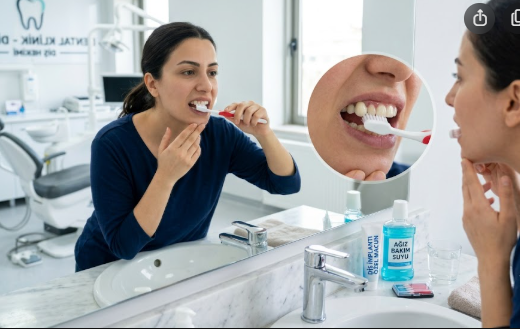
Brushing your teeth after dental implant surgery is essential for maintaining oral hygiene and promoting healing. Adopting the right techniques during this period minimizes the risk of infection and ensures optimal integration of the implant with your jawbone. Proper care can significantly impact the longevity of your dental implants.
Why is Brushing Important After Implant Surgery?
Brushing your teeth after dental implant surgery helps eliminate bacteria and food particles from your mouth, reducing the risk of complications such as infections or peri-implantitis (inflammation of the tissue around the implant). These issues may jeopardize the success of your implant. Therefore, following your dentist's advice on oral care during recovery is vital.
When Can You Start Brushing After Dental Implant Surgery?
Generally, you should be careful with brushing immediately after the surgery to avoid disturbing the implant site. Dentists typically recommend waiting at least 24 hours before resuming brushing. Even after this period, use gentle techniques to avoid irritations.
How to Brush Your Teeth After Implant Surgery
Follow these steps to brush your teeth safely and effectively after receiving dental implants:
- Use a Soft-Bristled Toothbrush: Opt for a soft-bristled toothbrush to minimize trauma to the gums and surgical site.
- Be Gentle: Brush the surrounding teeth gently, ensuring you do not apply pressure on the implant area.
- Use a Non-Abrasive Toothpaste: Choose a fluoride toothpaste that is non-abrasive to help protect your new implant.
- Brush Twice Daily: Continue your normal brushing routine, aiming to brush your teeth at least twice daily while being cautious around the implant site.
- Rinse After Eating: Gently rinse your mouth with warm salt water after meals to help remove food debris and keep the area clean.
What Else to Consider After Dental Implant Surgery
In addition to careful brushing, maintain good oral hygiene habits post-surgery. Avoid hard or crunchy foods that may disturb the implant site. Also, steer clear of smoking, as it can significantly impair healing. Follow any additional recommendations provided by your dentist for optimal care.
When to See a Dentist
It’s important to keep an eye on how you’re healing. If you experience prolonged pain, swelling, or any signs of infection, such as pus or excessive bleeding, you should contact your dentist immediately. Regular follow-up appointments are also essential for monitoring your implant's progress and ensuring everything is healing as intended.
Conclusion
Maintaining proper brushing and oral care after dental implant surgery is critical for a successful recovery and the longevity of your implants. If you have any concerns or questions about your dental care, it's best to consult your dentist, who can provide you with personalized guidance tailored to your specific situation. You might also consider a free AI dental screening through our platform to help assess your oral health.